Building a high‑performance yet power‑efficient gaming rig is no longer a paradox. The Gaming PC Upgrade Guide helps you identify where energy is wasted and how modern components can deliver the same frame rates with a fraction of the draw. Whether you are a competitive shooter fan or a sandbox explorer, a mindful upgrade can cut electricity bills, reduce heat, and keep your room quiet—all while preserving the immersive experience you love. In this guide we will walk through assessing your current build, selecting low‑power CPUs and GPUs, optimizing cooling, and leveraging software to squeeze every watt into meaningful performance.
Gaming PC Upgrade Guide: Assess Your Baseline
Before you purchase any new part, take a snapshot of your existing system’s power profile. Use tools like computer power management utilities or a hardware power meter to record idle and load consumption. Document CPU model, GPU tier, RAM capacity, storage type, and especially the power supply unit (PSU) rating. This data creates a benchmark that lets you measure the impact of each upgrade and ensures you don’t over‑size components, a common source of waste in “green” builds.
Gaming PC Upgrade Guide: Choosing Energy‑Efficient Core Components
The heart of any power‑savvy build lies in selecting components engineered for efficiency. Modern silicon has drastically lowered the performance‑per‑watt ratio, making it possible to run AAA titles on modest power budgets.
- Low‑Power CPU: Look for processors with a low thermal design power (TDP) that still offer high IPC (instructions per cycle). AMD’s Ryzen 5 5600G (65 W) and Intel’s Core i5‑12400 (65 W) exemplify this balance.
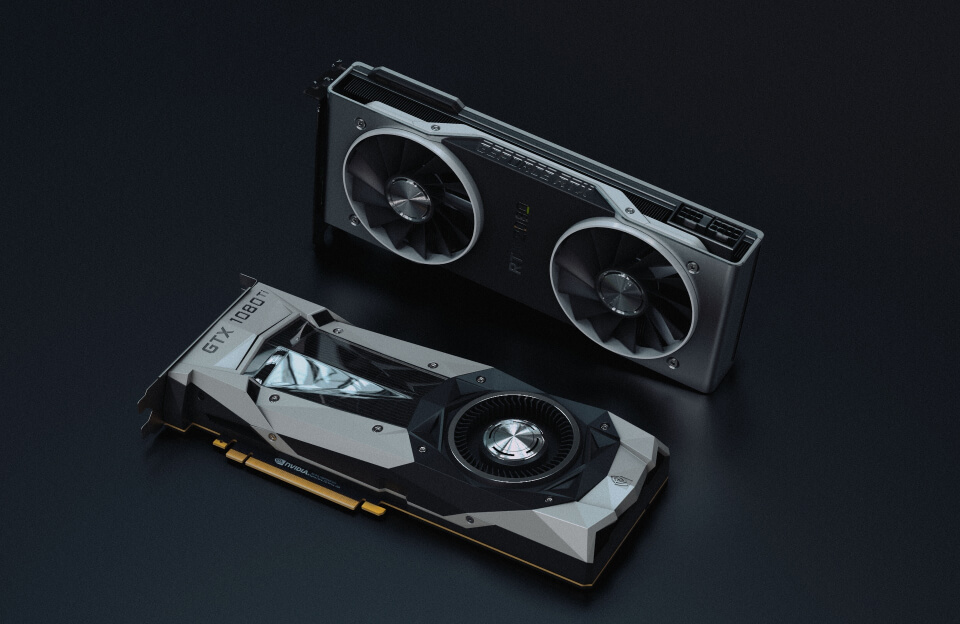
- Efficient GPU: Nvidia’s RTX 3060 Ti and AMD’s Radeon RX 6600 XT both deliver 1080p‑144Hz performance while staying under 200 W. For 4K aspirations, consider the RTX 4070 (200 W) which uses Nvidia’s Ada Lovelace architecture for excellent energy efficiency.
- 80 PLUS Certified PSU: A 70 % efficient unit wastes a lot of electricity as heat. Upgrade to a 90 %+ certified model (Gold or Platinum) to ensure most of the draw reaches your components.
- NVMe SSDs: Solid‑state storage not only speeds up load times but also consumes far less power than traditional HDDs. Choose drives with power‑saving features like DevSleep.
- DDR4/DDR5 RAM: Modern low‑voltage RAM kits (1.2 V for DDR4, 1.1 V for DDR5) reduce power draw without compromising bandwidth.
Each of these selections contributes to a sustainable build that still competes in modern titles.
Gaming PC Upgrade Guide: Optimizing Cooling and Noise
Efficient cooling complements low‑power components by preventing thermal throttling, which can force the CPU or GPU to draw more power to maintain performance. Consider the following strategies:
- Switch to high‑static‑pressure fans with a PWM controller. They adjust speed based on temperature, staying silent at idle.
- Invest in an all‑in‑one liquid cooler rated for 120 mm radiators. These often run cooler than dual‑fan air coolers at lower pump speeds, saving wattage.
- Apply computer cooling best practices: positive airflow, dust filters, and cable management to reduce turbulence.
- Use thermal paste with high conductivity (e.g., liquid metal) to lower the CPU’s temperature envelope, allowing lower fan curves.
Quiet operation isn’t just about comfort; it also means fans spin slower, drawing fewer watts and prolonging component lifespan.
Gaming PC Upgrade Guide: Power Management Software and Settings
Hardware is only half the equation. Modern operating systems and GPU drivers offer granular control over power states.
- Enable Windows 11’s “Power Throttling” for background apps, keeping the CPU focused on the game.
- In Nvidia Control Panel or AMD Radeon Software, select the “Optimal Power” or “Eco” mode, which caps the GPU’s boost clock when full performance isn’t required.
- Activate energy-efficient gaming PC guide recommendations such as V‑Sync or frame‑rate caps to avoid excessive frame generation.
- Use BIOS settings to disable unnecessary features like unused PCIe lanes or integrated graphics when a dedicated GPU is installed.
These tweaks can shave 10‑20 % off total draw during long gaming sessions.
Gaming PC Upgrade Guide: Future‑Proofing Without Wasting Power
Planning for tomorrow’s titles doesn’t mean buying the biggest wattage components today. Instead, adopt a modular approach:
- Choose a motherboard with spare M.2 slots and PCIe 4.0/5.0 support, allowing storage and GPU upgrades without replacing the board.
- Opt for a PSU with headroom (e.g., a 650 W Gold unit for a 200 W GPU build) so you can add a higher‑end GPU later without a new power supply.
- Invest in a case with ample airflow and removable panels, making future cooling upgrades straightforward.
By designing for scalability, you avoid the temptation of oversized, power‑hungry components that sit idle for years.
Conclusion
With the right combination of low‑power CPUs, efficient GPUs, a high‑efficiency PSU, and thoughtful cooling, you can upgrade your rig while keeping electricity usage minimal. Remember to measure, select energy‑efficient parts, fine‑tune software, and plan for future growth. This approach not only reduces your carbon footprint but also saves money and preserves the immersive gaming experience you crave.
Ready to build a greener gaming powerhouse? Follow the steps outlined in this Gaming PC Upgrade Guide and share your results in the comments. Upgrade smart, game responsibly, and enjoy the performance boost without the energy bill shock.
For further reading on energy standards and best practices, see energy efficiency standards and explore the power supply article for deeper technical insights.
Frequently Asked Questions
Q1. How do I measure my current PC’s power consumption?
Use a plug‑in power meter or software utilities to log idle and load draw. Record the values over a typical gaming session to establish a baseline. This data lets you compare the impact of each upgrade and avoid over‑provisioning components.
Q2. What are the best low‑power CPUs for gaming?
Processors such as the AMD Ryzen 5 5600G (65 W) and Intel Core i5‑12400 (65 W) provide strong single‑core performance while staying energy‑efficient. They support the latest instruction sets and boost algorithms, delivering high frame rates without excessive heat. Selecting a low‑TDP CPU also reduces cooling requirements, saving watts overall.
Q3. Which GPU offers the best performance per watt?
The Nvidia RTX 3060 Ti and AMD Radeon RX 6600 XT are popular choices that balance frame rates and power draw under 200 W. For higher resolutions, the RTX 4070 (~200 W) uses Nvidia’s Ada Lovelace architecture to improve performance‑per‑watt dramatically. Look for GPUs that include an “Eco” or “Power‑Saving” mode for additional efficiency.
Q4. How important is an 80 PLUS certified PSU?
An 80 PLUS certified PSU ensures a high efficiency rating (90 %+ for Gold/Platinum) meaning less electricity is wasted as heat. Higher efficiency reduces overall power consumption and can lower your electricity bill. It also provides more stable voltage delivery, which can extend component lifespan.
Q5. Can software settings really reduce gaming power usage?
Yes—enabling Windows power throttling, setting GPU drivers to “Eco” or “Optimal Power” mode, and capping frame rates with V‑Sync or a frame‑rate limiter can cut draw by 10‑20 %. These tweaks keep the CPU and GPU from running at maximum boost when it isn’t needed, conserving energy without noticeable performance loss.